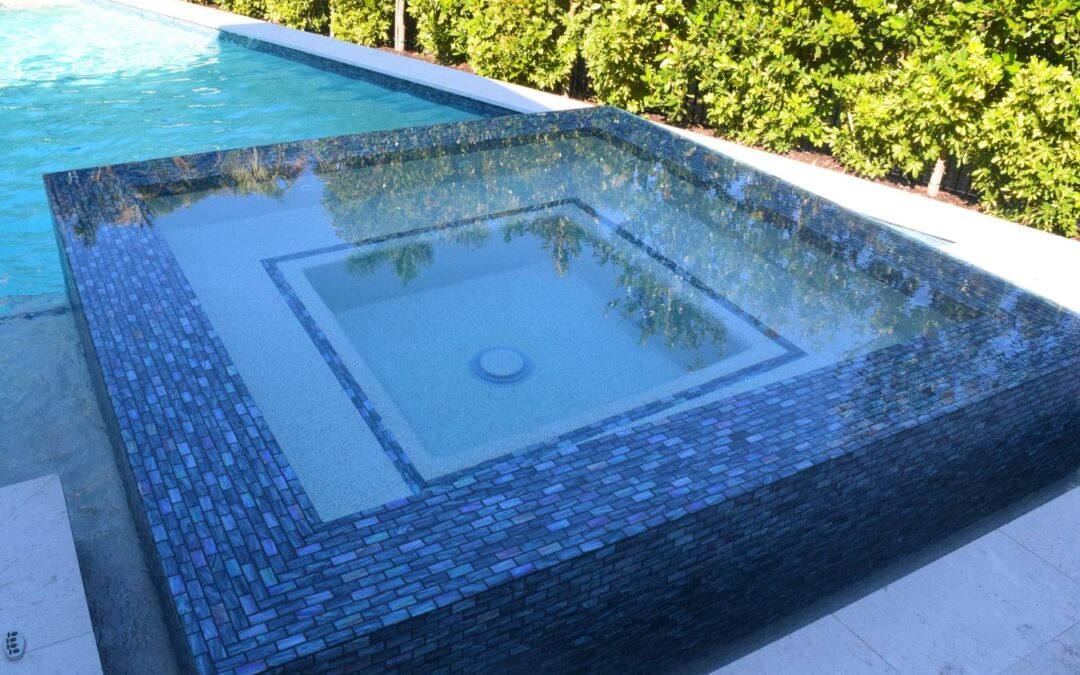
If you love your pool but wish it had a little more relaxation built in, you’re not alone. One of the most popular upgrades homeowners ask about is adding a spa to an existing pool. The good news? In most cases, it’s absolutely possible.
Whether you want a spillover spa for visual impact or a quiet heated retreat for cool evenings, this guide walks you through everything you need to know before starting the pool remodel process.
Yes, in most cases you can. Concrete (gunite) pools are especially well suited for spa additions because they can be modified structurally. If your pool was built with quality construction and still has strong plumbing and equipment infrastructure, adding a spa is often very achievable.
The key factors that determine feasibility include:
Pool construction type
Available deck space
Plumbing accessibility
Equipment capacity
Local permitting requirements
A qualified pool contractor can evaluate your pool and confirm what’s possible during an on-site consultation.
When adding a spa to an existing pool, homeowners typically choose from a few design styles.
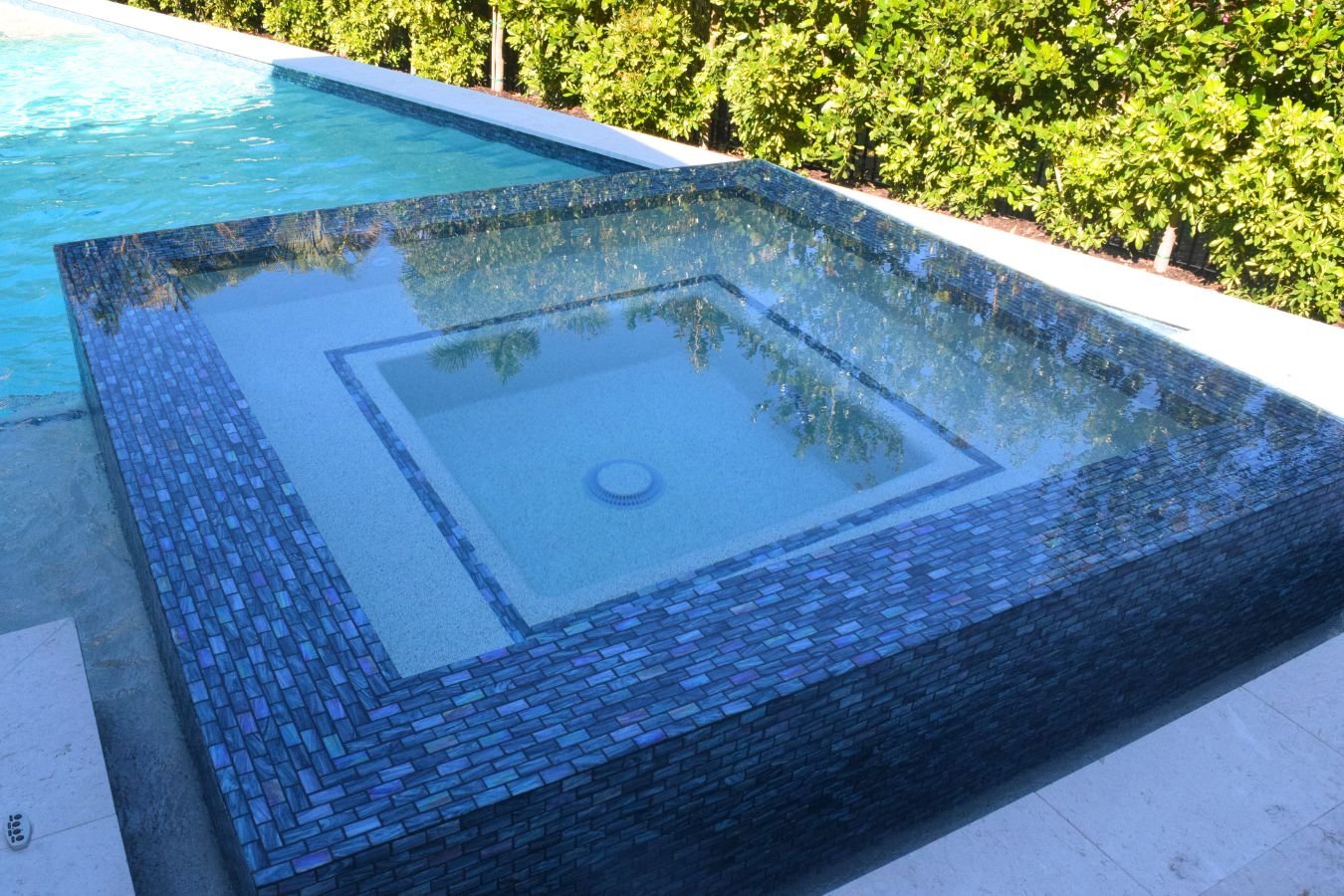
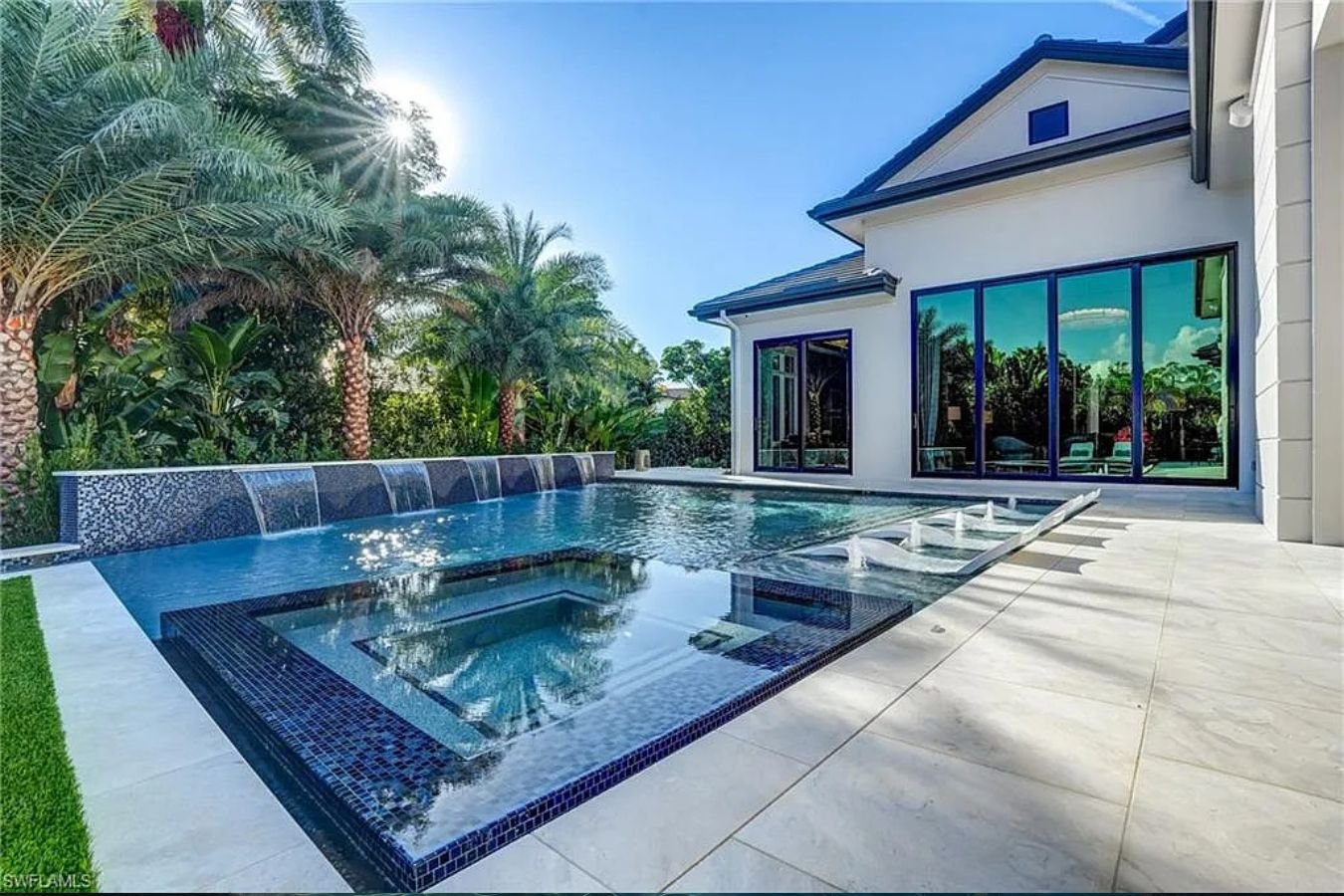
Spillover Spa (Most Popular)
A raised spa that overflows into the pool creates a luxury resort-style look. This option adds both visual appeal and the calming sound of moving water.
Flush Spa
A spa built level with the pool deck or waterline offers a cleaner, more modern aesthetic. It’s a great choice for contemporary backyard designs.
Standalone Spa
In some layouts, a separate spa connected to the pool system makes more sense. This works well when space is limited or when structural changes to the pool shell are not ideal.
Many homeowners are surprised to learn that adding a spa doesn’t always mean rebuilding the entire pool. However, it is still a construction project that requires thoughtful planning.
Here’s what the process typically includes:
1. Design and Engineering
Your contractor will design the spa layout, determine elevation, and plan plumbing integration. This phase ensures the spa works seamlessly with your pool’s circulation system.
2. Excavation and Structural Work
If the spa is attached to the pool, part of the deck and surrounding area will be removed. For spillover spas, structural bonding to the existing shell is critical.
3. Plumbing and Equipment Upgrades
Adding a spa usually requires:
Dedicated plumbing lines
A heater (if you don’t already have one)
Automated valves or controls
Possible pump upgrades
4. Finishes and Integration
The spa is finished with tile, coping, and interior surface materials that match or complement your existing pool.
The timeline for adding a spa to an existing pool varies based on complexity, but most projects fall within:
4–8 weeks from start to finish
Factors that affect timing include:
Permit approvals
Weather
Material selections
Structural complexity
Working with an experienced builder helps keep the project moving smoothly.
Costs vary widely depending on design, materials, and equipment needs. In general:
Basic spa additions start in the mid five figures
Custom spillover spas with premium finishes cost more
Key variables that impact price:
Raised vs. flush spa
Tile and stone selections
Automation and lighting
Equipment upgrades
Deck modifications
The best way to get accurate pricing is through a site-specific estimate.
Sometimes yes. Adding a spa often requires additional heating and circulation capacity.
You may need:
A pool heater or larger heater
Automation for switching between pool and spa mode
Upgraded pump or plumbing lines
The goal is to ensure your spa heats quickly and operates efficiently without compromising pool performance.
A common concern with adding a spa to an existing pool is whether it will look cohesive. With proper design, the finished result can look like it was always part of the original build.
Experienced builders can:
Match tile and coping styles
Coordinate interior finishes
Update surrounding decking if needed
Add water features for visual continuity
Many homeowners use this opportunity to make small aesthetic upgrades that elevate the entire backyard.
For many homeowners, the answer is a strong yes. A spa extends the usability of your pool area and adds year-round relaxation.
Benefits include:
Warm hydrotherapy during cooler months
Increased home value
Enhanced backyard aesthetics
A more versatile outdoor space
In warm climates, a spa can dramatically increase how often you use your backyard, especially in the evenings and winter season.
Before moving forward with adding a spa to an existing pool, think about:
How you plan to use the spa (therapy vs. entertaining)
Whether you want a raised visual feature
Equipment space and accessibility
Budget flexibility for upgrades
Future renovation plans
Answering these questions early helps guide a smoother design process.
Most gunite pools are great candidates, but the only way to know for sure is through a professional evaluation. Factors like structural condition, plumbing layout, and backyard space all play a role.
If your pool is older, this may also be the perfect time to bundle a spa addition with a resurfacing or renovation for a more cohesive transformation.
Adding a spa to an existing pool is one of the most impactful upgrades you can make to your backyard. It enhances relaxation, elevates design, and expands how you enjoy your outdoor space.
With the right planning and an experienced builder, the process is more straightforward than many homeowners expect. If you’ve been wishing your pool had that extra touch of luxury, a spa addition might be the perfect next step. Please contact us to get started.